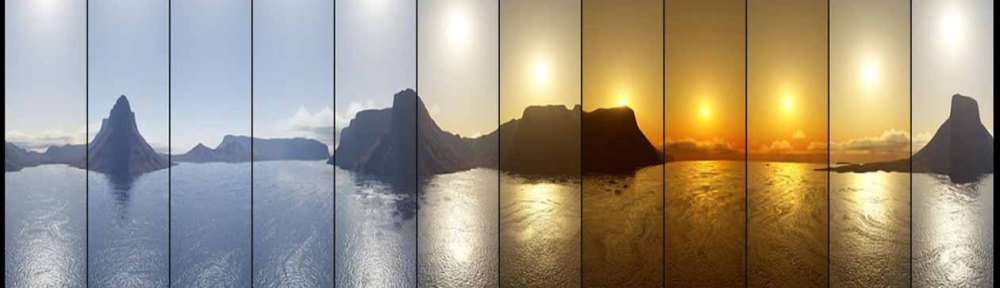
When electric lighting was introduced, lifestyle and building design was altered drastically, resulting in much less daylight if any. The biology of modern humans which has been evolving with the sun for 200K years is still adjusting to artificial light sources, hence the many related health concerns and current focus on human-centric studies.
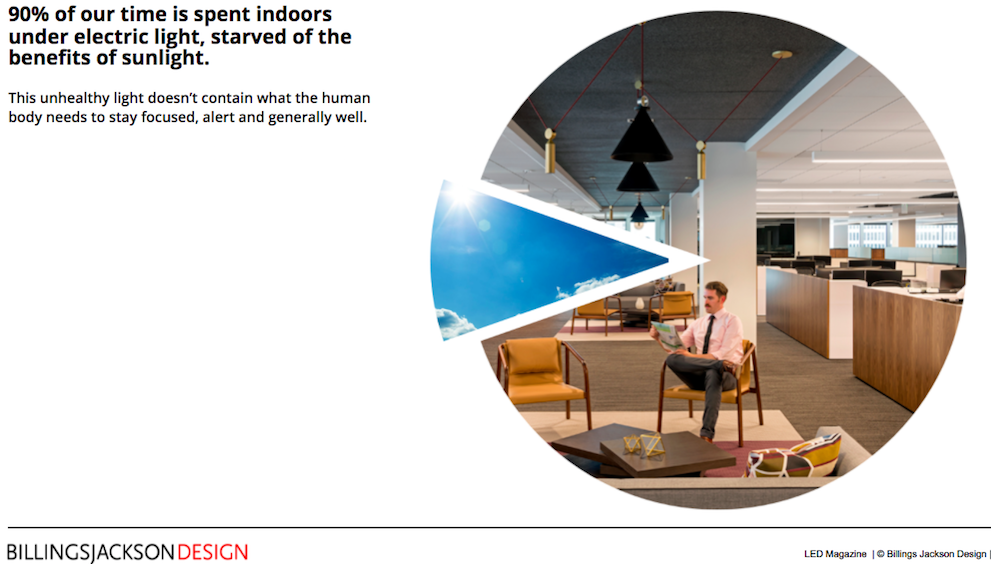
WHAT LIGHT DOES:
- Enables vision.
- Conveys information.
- Entrains our circadian system.
A FEW WAYS THAT LIGHTING CAN AFFECT YOUR HEALTH:
- Trigger the release of melatonin/ cortisol- dictating your sleep/ wake cycle and subsequent physiological responses which include stress.
- “Flicker” of concern is often not visible to the eye and can provoke seizures even in those that are not epileptic. It also greatly reduces the ability to concentrate in a world that is already designed to distract.
- Can cause or alleviate depression.
- Can restore eye health and regenerate healthy cell growth or alternately cause macular degeneration and visual impairment suddenly or gradually.
- As a way finding mechanism is can prevent physical injury especially for seniors and the visually impaired.
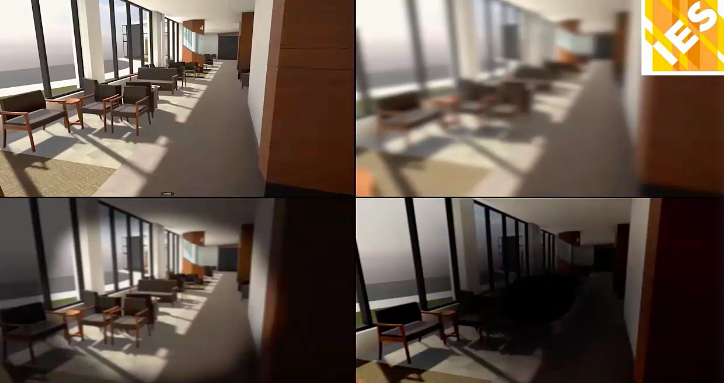
An example of how a room can appear to those with various visual impairments such as cataracts, glaucoma and AMD ( age related macular degeneration).
WHATS THE DEAL WITH BLUE LIGHT? WHAT’S SAFE?
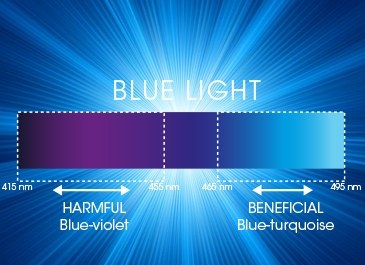
Blue light is essential. Much of its harmful UV range is filtered by the earths atmosphere.
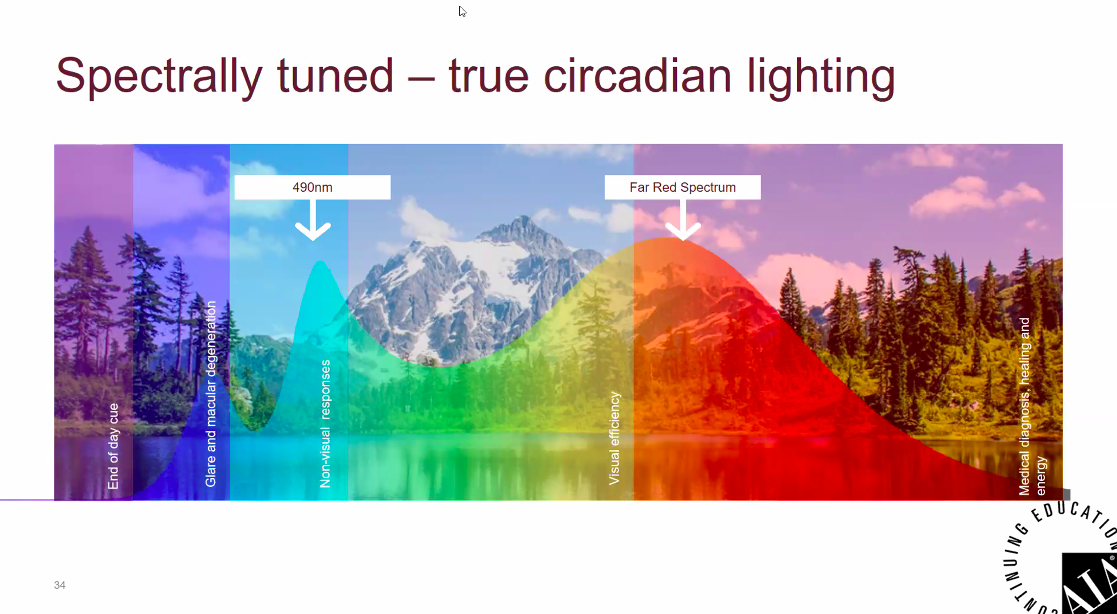
We require it to function and exist. To be alert. It is about the time of day delivered, dose and specific wavelengths of blue light that are of concern. Ultimately sunlight is the perfect remedy however, being that this is not a practical “circadian stimulus” exposure is what the lighting industry is trying to figure out.
In a perfect world one should gather sunlight into their systems outdoors. As much as possible. The optimal times are between noon and 1pm according to Dr. Alexander Wunsch
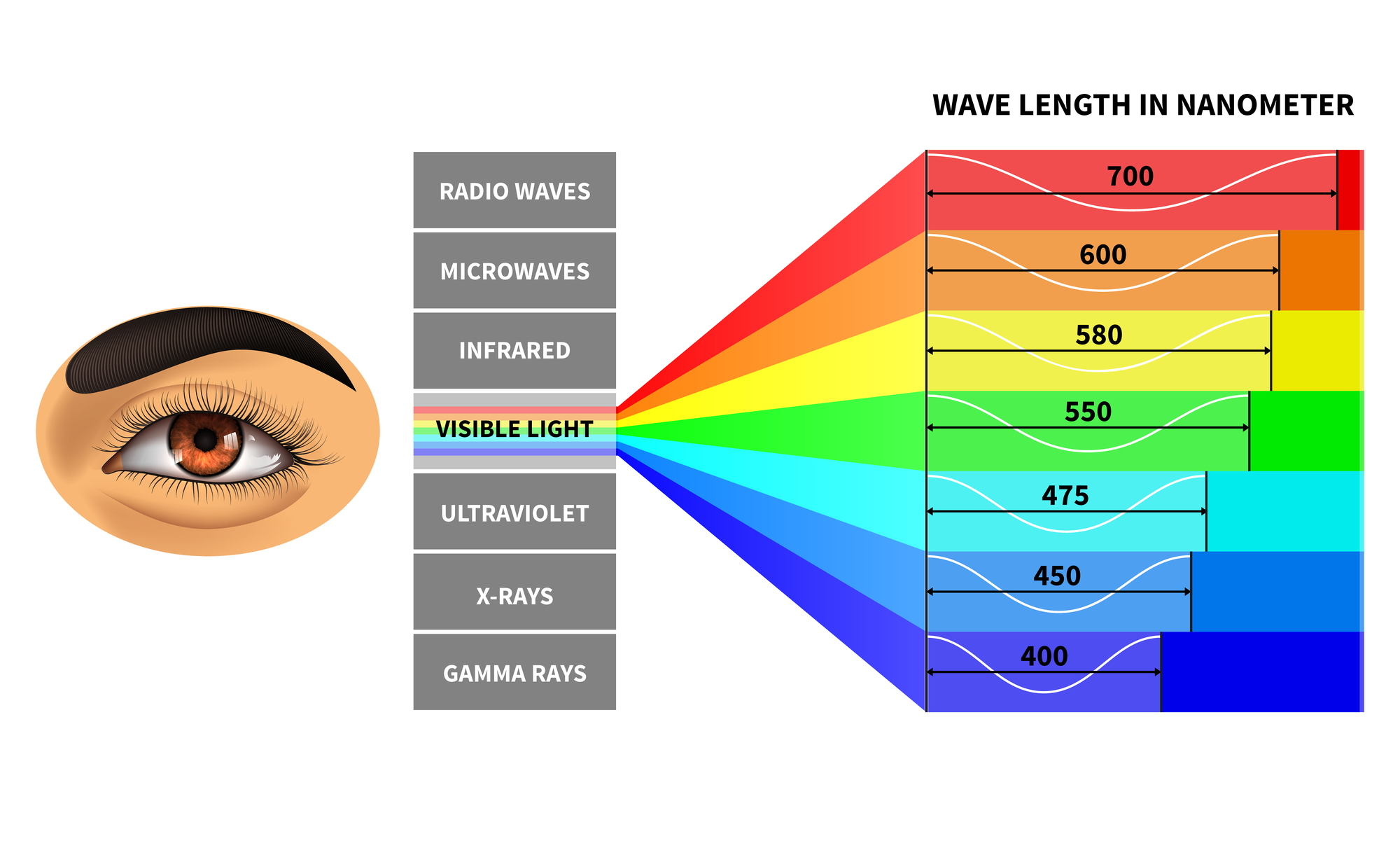
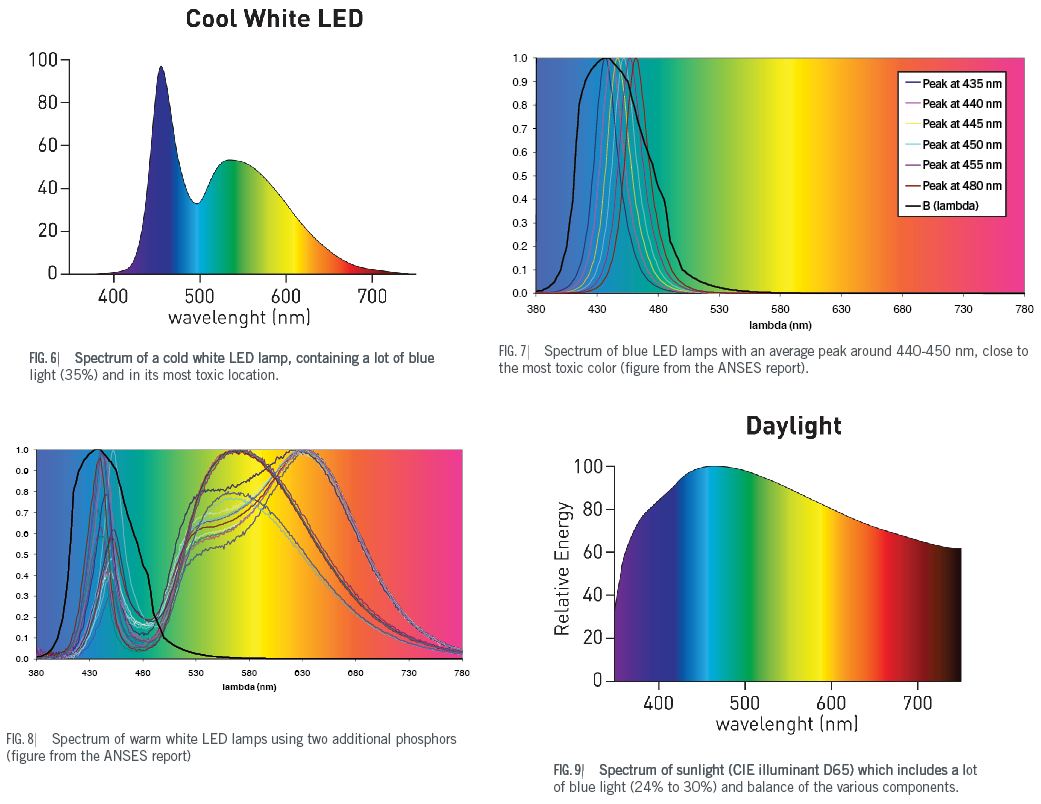
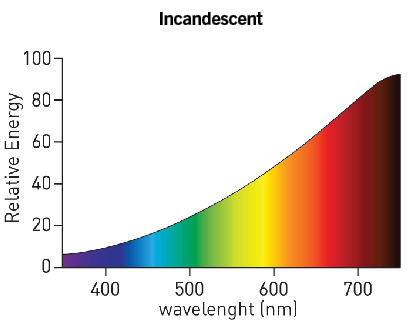
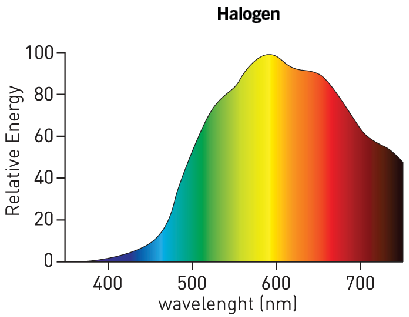
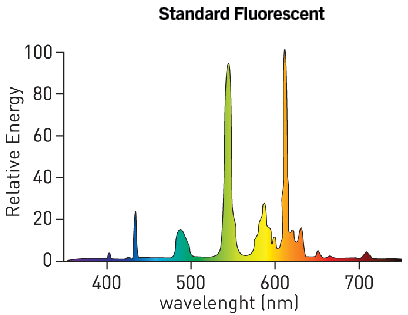
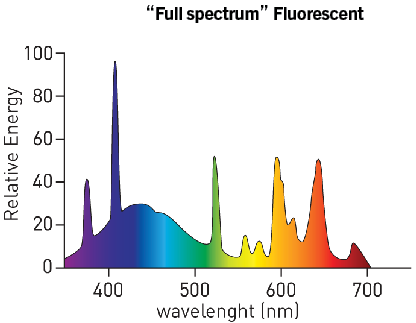
TRADITIONAL LIGHT SOURCES SPD (Spectral Light Distribution):
TRENDS AND OBSERVATIONS IN CIRCDADIAN LIGHTING:
 Eye Of The Peacock